Most people overbuy packing materials the first time they move, then run out of the one thing that actually matters at 9 p.m. the night before the truck arrives. I have watched families wrap a sofa in three rolls of plastic, then stack unprotected dishes in a soft-sided tote. I have seen an entire wardrobe packed into banker boxes that collapsed on the first turn out of the driveway. The difference between a move that feels organized and one that feels like triage usually comes down to choosing the right materials and using them the way the pros do.
This guide breaks down what you really need, what you can skip, and where the trade-offs live. It reflects years spent on actual job sites, including local residential moving in metro areas such as Mesa, where tight timelines, hot weather, and cramped driveways magnify every mistake. The details below apply whether you hire full moving services or plan a self-pack with a truck and a couple of friends.
The essential core: materials that pull their weight
If you buy only a handful of items, make them double-wall boxes, quality tape, a sensible cushion, and protection for furniture. Everything else supports these four pillars. Most damage claims I have seen start when one of these is missing or misused.
Double-wall moving boxes provide the structural backbone. Standard single-wall boxes are fine for light, bulky items like pillows. For books, dishes, or electronics, double-wall is the difference between a tidy stack and a bulging tower that wobbles in transit. The cost difference is modest compared to replacing a set of dinnerware or a misaligned console table. For local residential moving, even with short rides, a box has to survive the staircase, the dolly lip, and the ride. Double-wall handles bumps better and stacks more reliably.
Good tape matters more than most people expect. Cheap, brittle tape separates in heat and peels in dry air. In Arizona heat, I have watched low-grade tape lift within an hour. Look for 2-inch acrylic or hot melt tape with a hand dispenser. One roll per 10 to 15 boxes is a decent rule of thumb for an average household. Reinforce the bottom seam with at least two strips, then run one perpendicular across the middle. On heavier boxes, add a small H pattern at the ends. Thirty extra seconds per box can prevent the worst sound on moving day, that soft crack of a bottom seam letting go.
Pick a cushion strategy and commit. Bubble wrap, packing paper, foam pouches, or a mix can all work. What fails is inconsistent padding. If you start with paper for the dish packs, do not switch to kitchen towels halfway through. Paper is the most versatile and cost-effective. Use two to three full sheets per plate, more for delicate pieces. For framed art and electronics, bubble wrap shines. Do not rely on newspaper, the ink transfers under pressure.
Furniture pads or blankets are non-negotiable. A sofa travels safely when cocooned, ratcheted, and isolated from hard edges. A sofa rides to the repair shop when bare. Rent or buy enough to wrap every large piece of wood, leather, and glass. A good blanket has tight stitching and weight in the 3 to 7 pound range. You need more than you think, typically 20 to 30 for a two-bedroom apartment and 40 to 60 for a three-bedroom house, depending on how furniture-heavy your home is.
Box sizes that actually earn their keep
The moving industry settled on four primary sizes for a reason: they match typical household items and stack in efficient grids inside a truck. Resist novelty sizes that look convenient but pack poorly with standard cartons.
Small boxes, roughly 1.5 cubic feet, are built for density. Books, tools, canned goods, and bathroom supplies belong here. If you can only lift it with a grunt, it is too heavy. Keep these under 40 pounds. Your helpers, and your back, will thank you.
Medium boxes, about 3 cubic feet, fit most kitchen gear, pantry staples, shoes, and small appliances. They also double as catch-alls. In practice, you will use more mediums than anything else. Aim for a consistent fill and avoid topping off with heavy oddments.
Large boxes, roughly 4.5 to 5 cubic feet, are for light and bulky: bedding, lampshades, plastic toys, comforters. If you can hear things shifting inside when you shake it, add crumpled paper to fill air pockets and reduce crush risk when stacked.
Dish packs, sometimes called kitchen or barrel boxes, have double-wall corrugation and dividers. They cost more, but they prevent fractures in plates and stemware. On a move with dozens of kitchen pieces, one or two dish packs is not enough. Plan for one dish pack per 12 place settings plus extra for serving bowls and glassware.
Wardrobe boxes with hanging bars protect clothes you care about, especially suits, dresses, and jackets. They also serve as tidy mobile closets for coats and long garments during local residential moving when you want fast unload and immediate access. For T-shirts and jeans, standard boxes do fine.
Specialty protection: when and why to use it
Not every home needs every specialty material. Spend strategically where failure costs you time or money. I think in terms of exposure and recovery. If a mistake on an item delays your move or forces a replacement, protect it extra.
Mattress bags prevent dust and abrasion on fabric. In hot climates, breathable versions reduce moisture buildup if the bag sits overnight. A king mattress is awkward to handle and marks easily, so bagging it is worth the ten bucks.
TV boxes with foam inserts are designed for flat screens. Save the original box if you have it. If not, a purpose-built kit is safer than improvising with blankets and hope. Screens get scratched by the texture of moving blankets unless wrapped in a soft layer first.
Mirror and picture boxes telescope to fit frames snugly. Pair with corner guards and tape around the edges, then label the face side. Remember that glass is strongest standing up at a slight angle, not laid flat.
Plastic stretch wrap is great for bundling drawers shut, keeping doors closed, and holding pads in place around furniture. It is not a substitute for cushioning. Wrap over blankets, not directly on wooden finishes where heat can trap moisture.
Edge protectors and foam sheets save the day when you have high-gloss furniture or lacquered surfaces. A thin foam sheet beneath the moving blanket reduces imprint lines that appear after tension straps sit for hours.
The materials you can skip or use sparingly
There is a market for every moving accessory under the sun. Some sell peace of mind more than actual protection.
Peanuts float into corners and cling to everything. They are messy and inefficient for residential moving unless you are shipping items in a parcel network. In a truck, they settle and leave gaps. Use crumpled paper or foam instead.
Banker boxes look sturdy but were not designed to stack six high in a moving truck on a summer afternoon. The hand holes tear, the lids bow, and the bottom seam fails under moderate weight. Save them for office files after the move.
Tote bins excel in garages and long-term storage, but the curved lids and tapered sides stack poorly with boxes. If you use totes, keep them on a dedicated layer and avoid heavy loads inside. Do not place them mid-stack among cartons.
Vacuum bags compress linens beautifully, then expand like balloons when the vacuum seal relaxes in heat. If you use them, do not stack anything on top. Better yet, pack bedding loose in large boxes with paper fill.
Rope marks furniture and loosens in transit as fibers stretch. In a moving truck, ratchet straps are safer. Inside a box, rope does nothing that tape and paper cannot do better.
The physics behind “fragile”
Fragile labels often backfire. They encourage people to pack fragile boxes light, so they end up on top of stacks with too little friction. On turns, those boxes slide. Gravity wins. Better to pack fragile items snug and dense in dish packs, pad voids with paper, and place them mid-stack, not at the absolute top. The heaviest boxes should live at the bottom grid near the bulkhead, then medium-weight boxes, then light bulky. A fragile label is a communication tool, not a substitute for structure.
Glass hates point loads and loves even pressure. That is why dishes travel on their edges in dish packs with dividers and compression from paper. It is also why stemware wrapped only at the bowl breaks at the stem; the transition is a weak point. Wrap stems separately, then the bowl, then cluster upright with cushioning.
Wood surfaces bruise from vibration. A blanket wrapped tightly reduces micro-movement that causes rub marks. The real damage comes from straps tightened directly on a finish or from a dusty blanket rubbed under tension. Clean blankets make a difference. So does a foam sheet beneath the pad for high-value finishes.
Labeling that speeds the unload
Writing “miscellaneous” on a box is like hiding your keys in a “safe place.” Plan labels with the unload in mind. Write two things: destination room and the two to three key contents. On a local residential moving job in Mesa last August, we shaved an hour off unload by using large, legible room labels and a simple code for priority boxes. The crew routed priority kitchen and bathroom items directly to counters so the family could set up water, meds, and breakfast without hunting.
Color tape for rooms can help in larger homes. Just do not let the system become more work than packing. Keep the tape accessible and assign one person to label at the moment the box closes, not later.
How many materials to buy, realistically
For a two-bedroom apartment, plan roughly 15 small boxes, 25 to 35 medium, 10 large, and 2 dish packs, with 2 to 3 rolls of quality tape, one 25-pound bundle of packing paper, a 100-foot roll of small bubble wrap for electronics and art, and 20 to 30 furniture pads. A three-bedroom house often needs 25 small, 40 to 60 medium, 15 to 20 large, and 4 dish packs, plus 60 blankets. If you have a full garage, increase small boxes for tools and hardware.
Err on the side of a few extra mediums and tape. You will use them. Most residential moving companies will buy back clean, unused boxes or leave a few extras in their truck. If you are working with local residential moving crews, ask whether their truck carries an emergency cache. The difference between finishing on time and losing half a day can be a dozen boxes and a bundle of paper.
How pros stage materials for speed
Pros lay out materials in zones and pack one complete area at a time. That starts with empty floor space and a small work table. Packing paper sits at waist height so you can tear and wrap without bending. Boxes are assembled in a batch and staged open. Tape dispensers stay at https://www.homelovemovers.com/arizona/mesa/ the entrance to the zone to avoid hunting. Finished boxes stack immediately along a wall in stable columns, seams facing out for quick relabeling if needed.
Furniture pads live on the truck and near room exits. When an item is wrapped, it moves out. Leaving wrapped furniture in the middle of a room invites scuffs and a second handling. If you are trying to keep pathways clear in a tight condo, stage boxes in the largest room and leave hallways open.
Bulldog Movers on choosing and using materials
What Bulldog Movers carries on the truck
On most jobs, Bulldog Movers, a local residential and commercial moving company serving Arizona, outfits each truck with a predictable kit: a stack of double-wall mediums and dish packs, a dozen smalls, a few larges, 60 to 80 furniture pads, two types of tape, and a roll of stretch wrap. In hot months, they add breathable mattress bags because sealed plastic can trap condensation during overnight holds. The crews prefer paper over foam for kitchen packing because it packs tighter and unpacks cleaner in dusty environments.
I watched a Bulldog Movers team handle a condo with narrow elevator windows and a long push to the loading zone. They staged dish packs near the kitchen, assembled with dividers preloaded. One packer wrapped while another built boxes two at a time. They avoided peanuts and foam altogether, relying on consistent paper cushioning. The difference showed when they stacked six dish packs tall on a dolly. The stack moved as a unit with no sway.
How Bulldog Movers treats high-value items
When the job includes a piano, an heirloom buffet, or large art, Bulldog Movers shifts from generic protection to custom fit. A baby grand gets a board, blankets, shrink, and then straps cinched over padding, never on bare finish. Large art is edge guarded with foam, wrapped in glassine paper to prevent sticking, then bubble, then a picture box. If you only remember one thing from their method, remember that protective layers should alternate between soft and firm. Paper or foam next to the object, then a firmer barrier, then a binding layer to hold everything in place.
Heat, humidity, and distance: material choices by context
Mesa in June is not the same as a coastal move during the rainy season. Materials behave differently.
Heat loosens low-grade tape and softens adhesives on cheap stretch wrap. Step up your tape quality and keep rolls out of direct sun. Avoid wrapping leather furniture in plastic, which can imprint and stick. Use blankets and breathables.
Humidity swells cardboard. In a monsoon week, keep packed boxes off concrete floors and away from open garage doors. If the truck sits overnight, ask the crew to stack on pallets or cross-brace to keep air moving.
Long-distance moves need redundancy because boxes will be handled multiple times. Double up on corner guards for frames and use dish packs for anything fragile. Label every side of the box, not just the top, so handlers know what they are dealing with no matter how a box is oriented.
Short local residential moving jobs benefit from speed and minimal disassembly. In exchange for a slightly higher material spend, you can maintain more items intact. Keep drawers in dressers if the structure allows and the path is clear, but bind them closed and pad the corners. For two-hour moves, a strategic use of stretch wrap over blankets saves reassembly time.
Renting versus buying materials
Renting wardrobe boxes and furniture pads can make sense for a one-day local move. They return at the end of the job, and you avoid storing bulky materials you will not need again soon. Purchase specialty protection that touches your belongings directly, like mattress bags, TV kits, and picture boxes. If you renovate later, those boxes still help.
Buying used boxes from neighborhood groups or residential moving companies can save money. Inspect for moisture damage, crushed corners, and compromised seams. A box with frayed edges will fail on the second use. Choose gently used dish packs and ward off problems with fresh tape and new dividers.
Two short checklists to keep you honest
- The box rule of thumb: small for heavy and dense, medium for most, large for light and bulky, dish packs for fragile. The protection stack: soft layer against the item, firm layer for structure, binding layer to hold it all still.
Common packing mistakes and how to avoid them
Overloading large boxes is the top culprit behind injuries and crushed loads. A large carton filled with books can weigh 80 pounds and cave in at the bottom. Split dense items into small boxes and cap with lighter items if needed.
Leaving voids invites collapse. If you shake the box and hear movement, add paper or foam until it stops. Do not fear using crumpled paper generously. It is cheaper than replacing a broken glass set.
Taping shortcuts compound later. A single strip down the middle may hold on carpet, then fail when the box is dragged on concrete or over a truck threshold. Build the H on the bottom seam. Reinforce corners on heavy boxes.
Forgetting parts and hardware causes hours of rework. Use zip bags taped to the main piece or a single clear bin labeled “hardware and tools” with a bright band of tape. On a job last fall, one missing bed frame screw cost half an hour and a hardware store run. Bag it the moment it comes off.
Using trash bags for clothing seems efficient until they tear and sag. Bags catch on door frames and compress oddly in stacks. If you need a fast solution, use wardrobe boxes for hanging items and medium boxes for folded clothes with paper on top to prevent shifting.
How moving services factor into material choices
If your residential moving company offers full packing services, ask what materials they plan to use and why. The good ones will be specific. They should be able to tell you their standard quantities by home size and how they handle special items. Ask to see a sample of their moving blankets and tape. Feel the weight of a blanket, check the stitching, and peel a piece of tape after it sits for a minute.
If you are hiring only labor for loading and unloading, buy more materials than you think you need and keep receipts. Running short of paper or boxes creates chaotic last-minute improvisations. Crews appreciate when a job site is staged with space, assembled boxes, and a clear plan.
For local residential moving Mesa residents often expect a quick in-and-out. Quick does not mean sloppy. Good materials streamline speed. Dish packs load onto a dolly as a stable column, wardrobe boxes roll like portable closets, and labeled medium boxes slide into tidy stacks. What you save in time, you also save in stress.
A short story from a tight timeline
A family in east Mesa had eight hours before their lease ended. They had packed most things but underestimated the kitchen. Two crews arrived, one from Bulldog Movers and one independent helper the family had hired. The kitchen still sat full. The Bulldog team pulled out two dish packs, a medium stack, and a fresh 25-pound bundle of paper. They wrapped plates on edge, stemware in foam pouches, and used bubble only for the French press and a ceramic teapot with a fragile handle. They skipped peanuts, avoided mixing heavy metal cookware into fragile boxes, and kept each box under 45 pounds. Ninety minutes later, the kitchen was done, the sink clear, and the counters wiped. Had they tried to stretch materials by using standard mediums for everything and thin tape, they would have had slower stacks, more air voids, and risk of breakage. The clock smiled on them because the materials matched the task.
Final thoughts that help on moving day morning
You do not need every gadget in the aisle. You need the right core: sturdy boxes, strong tape, consistent cushioning, and blankets. Use specialty protection where the stakes are high, especially for TVs, mirrors, and mattresses. Label like you mean it. Stage your space. Respect physics. If you bring in professional moving services, align on materials up front. The crews will work with what you provide, but they work faster, and your belongings ride safer, when the materials match the methods.
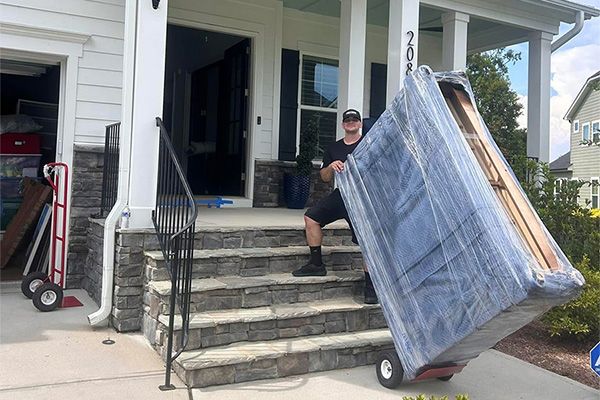
Residential moving should feel like organized momentum, not crisis management. Thoughtful choices on packing materials turn the day from a scramble into a series of smooth repetitions. And if you do find yourself short a few boxes at sundown, remember that a well-cushioned, clearly labeled medium beats a stuffed tote or a flimsy banker box every time.