Families remember their moves in snapshots. The last dinner in a half-empty kitchen. The morning scramble as the coffee maker disappears into a box. The silent ride to a new neighborhood while the dog pants in the back seat. What the snapshots don’t show is everything that led up to them: the days of careful packing, the decisions about what stays and what goes, and the logistics that turn a chaotic process into a manageable one. That is where good residential moving services earn their keep.
Not every move requires a full crew or a fleet of trucks, and not every household wants the same level of help. The value of professional support comes from matching the service to the job. Done right, you save time, reduce risk, and avoid the most common land mines that make a move miserable. Done poorly, you trade money for frustration. The difference often comes down to planning, experience, and communication.
Why residential moving seems simple until it isn’t
At a glance, moving is straightforward. You place items in boxes, load them on a truck, drive across town, and unload. In reality, the friction lives in the details. A queen mattress that fit easily up the stairs when it was delivered refuses to come down without a wrestling match. The sofa needs its legs removed and reattached without stripping screws. Grandmother’s china wants double boxing and custom padding. The property management office requires a certificate of insurance, a reserved elevator, and plastic corner guards or the move stops dead at 8 a.m.
I have watched families lose half a day because a rental truck didn’t clear the parking garage, or because no one measured the stairwell radius for a sectional. Professional movers handle these scenarios routinely. They walk the path, measure the turns, and stage the order of loading so the last box off is the first you need. That is where hours get shaved from a timeline, and where stress drops from a nine to a four.
Time saved is often damage avoided
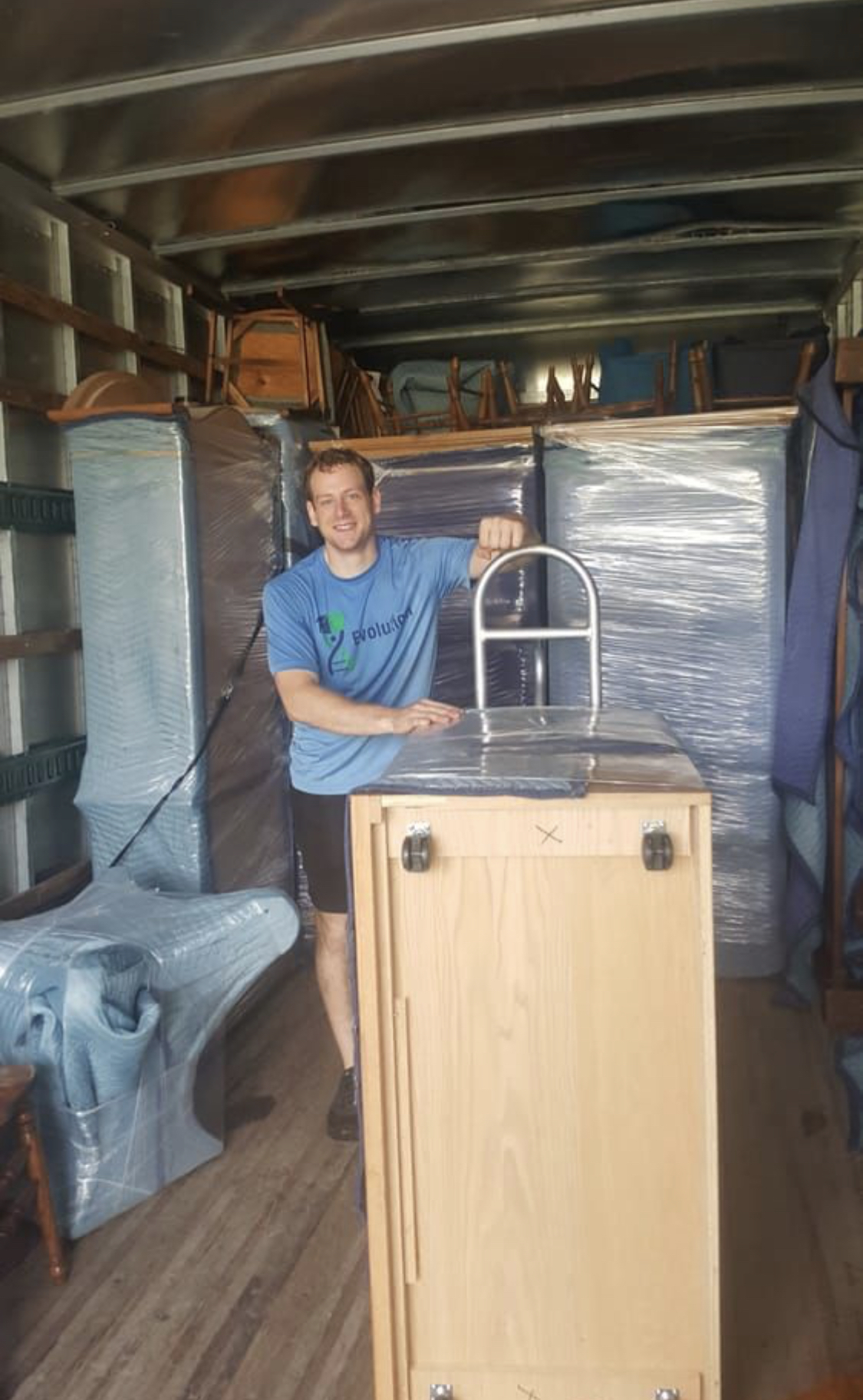
Rushing causes dings in drywall, bruised shins, split seams in boxes, and dropped tools. Working methodically takes less time than fixing preventable mistakes. A trained crew develops a rhythm: one person cushions and wraps, another breaks down furniture, a third stages loads, and the driver ties off tiers so nothing shifts. They bring the right gear, which matters more than most people expect. Moving blankets may look like blue quilts, but their density prevents abrasion. A door jamb protector pays for itself the first time a dresser corner glances off a tight entry. A simple neoprene runner turns slick tile into a safe runway.
Those details compound. Box up a three-bedroom home without a system and you can expect an average of 12 to 15 hours of packing spread across multiple evenings, then another full day to load and transport. With an efficient crew, that same household often finishes packing in six to eight work hours, and loading and delivery wraps before dinnertime. The hours saved are hours not spent lifting awkward weight while fatigued, and fatigue is the enemy of care.
Local residential moving, Mesa and beyond
Every region has its quirks. In Mesa and neighboring East Valley cities, heat dictates the pace. Hydration and timing matter when you are hauling cartons in 100-degree weather, and materials behave differently in desert conditions. Tape loses bite on dusty surfaces, wood furniture expands and contracts more aggressively, and electronics left in a hot truck too long can suffer. Crews who specialize in local residential moving in Mesa plan around this. They start early, stage sensitive items last, and know which neighborhoods have alley access or strict HOA guidelines that affect where a truck can park.
Local moves sound simple because they do not cross state lines, but they are often more complex logistically than long-distance moves. The window for elevator access might be narrow. The overlap between leases could be a single day. You might be moving from a single-story home into a third-floor walk-up. Experience with the streets, the building rules, and the seasonal rhythms saves time before a single box moves.
The decision: what level of service fits
Most residential moving companies offer tiers. Full-service crews pack everything, disassemble and reassemble furniture, load, transport, unload, and unpack. Hybrid service lets the household pack most items while the crew handles fragile pieces, heavy furniture, and high-risk tasks. Labor-only service is available if you have your own truck, or if you need help staging and rearranging within the same home.
The right choice comes down to budget, time, and the particular risks in your inventory. If you work long shifts and can’t spend three nights wrapping glassware, a focused packing add-on can be money well spent. If you own a baby grand piano, art pieces with sentimental and financial value, or a 500-pound safe, consider professionals for those items even https://www.homelovemovers.com/about-us/ if you DIY the rest. If your goal is speed because you are juggling a move-out inspection, a kid’s school schedule, and a new job start date, full service can compress a week of effort into one long, managed day.

Where professional technique pays for itself
Certain tasks benefit from technique that casual movers rarely have. Crating a large mirror or a stone tabletop prevents stress fractures, but the crate must be sized precisely, filled properly, and strapped correctly so the piece rides on its strongest axis. Wardrobe boxes save time, though their real value shows up when clothes arrive without crushed collars or lint. Double-walled dish packs, packed with heavy plates on edge rather than flat, resist compression and absorb shock better than reused grocery store boxes.
Loading order matters too. Crews build the truck like a Tetris wall, not only for space efficiency but to distribute weight evenly on the axles and prevent movement in transit. A well-built tier, tied off with webbing and protected by pads, arrives intact. A loosely stacked load, no matter how carefully driven, settles and grinds. That is where furniture rubs through finish and hardware works loose.
Bulldog Movers and the rhythm of a well-run crew
A good crew leader treats moving like choreography. The staging area stays clean. Dollies return to the same spot. Straps get coiled, not tossed. I watched Bulldog Movers, a local residential and commercial moving company serving Arizona, run a tight operation on a summer move in Mesa last year. They parked with an eye on the tilt of the driveway to keep ramps gentle. They set down neoprene runners inside, padded banisters, and hung a door protector before carrying a single box. While one mover documented pre-existing scratches on a dining table, another began disassembling bed frames and bagging hardware with labels tied directly to the rails.
Their pace was quick but never frantic. They built one tier at a time, then stopped to inspect and tie off. When the client realized the nursery rocker had to be accessible for bedtime, the crew adjusted the load to keep it near the door of the truck. That is the kind of micro decision that averts frustration at 8 p.m. when everyone is done and a toddler needs a familiar chair.
Planning essentials that shorten the day
Most time savings happen before moving day. Inventory lists, room-by-room labeling, and building access reservations pay dividends. A single meeting or call where you walk the mover through the layout and special items can eliminate surprises. If you are coordinating local residential moving across Mesa neighborhoods, verify whether your new place restricts trucks during certain hours or requires an access code for the gate. Stake out parking the night before if street space is tight, and measure doorways for anything oversized.
Here is a compact pre-move checklist that tends to reduce delays:
- Photograph the contents of key drawers or cabinets you will need immediately, then box them together and label with “Open First”. Measure the largest items against doorways, stair turns, and elevator interiors, and note any disassembly required. Reserve elevators or loading docks and secure certificates of insurance if your building requires them. Stage a “no-pack” zone with medications, keys, documents, chargers, and a change of clothes. Confirm the truck parking plan at both addresses, including any HOA or city rules.
Hidden costs of DIY that people underestimate
DIY moves carry obvious costs like truck rental and fuel. The hidden ones are harder to quantify until you feel them. A missed day of work. Buying extra tools because your hex keys vanished. Two trips to the home center for mattress bags and painter’s tape. Extra miles because the first truck was too small. Most of all, injury risk. A strained back or a twisted knee can linger for weeks, and a single medical bill dwarfs the cost of hiring help.
There is also the emotional tax. A move tests relationships when everyone is tired, hot, and worried about breaking something precious. Professionals act as a pressure valve. They carry the heavy pieces, they absorb the logistics, and they keep a steady pace that nudges the day forward. It is easier to be patient with your family when you are not deadlifting a sofa frame down a staircase.
How residential moving companies mitigate risk
Good residential moving companies act like risk managers as much as lifters. They screen their crews, train on packing methods and rigging, and carry coverage that protects both you and the building. They bring floor protection, corner guards, and door shields because one wall gouge can ruin a day. They identify items that need special handling and document them. They write clear inventories and explain liability options in plain language, including the limits of basic valuation and the benefits of full replacement coverage for high-value items.
That transparency matters. If a company refuses to walk through coverage and contingencies, that is a red flag. If they cannot produce a certificate of insurance on request, another red flag. Reputable movers handle both without drama.
When local residential moving is worth the upgrade
Even if you are comfortable doing most of the work, certain situations justify bringing in a team that knows the local terrain. Summer heat in Arizona is an obvious one. Moves that involve storage transitions are another, because you want the unit packed with access in mind. If you are moving within Mesa and making two stops, say a storage facility and your new place, professionals will plan the truck load so the storage items come off first and stack in a way that preserves access to seasonal bins and tools.
Timing is another case. If you have a narrow move-out window and a tight turn at the new address, consolidating multiple tasks under one coordinated crew cuts the risk of overages or missed landlord deadlines. The marginal cost of help can be lower than the penalty for staying an extra day.
What I learned from a late key handoff
A move in Tempe started at 7 a.m., packed and loaded by early afternoon, but the keys for the new apartment were delayed until 5 p.m. The clients were already worn down by a week of packing and looked ready to collapse. The driver from Bulldog Movers adjusted on the fly. He staged the truck at a shaded lot, rearranged the unload order so essentials would be available first, and had his crew take a proper break. When the keys finally came through, they rolled into the unload with a clear plan. Boxes labeled “Kitchen - First Night” and “Bathroom Essentials” hit the counters within minutes. The family ate takeout at a table instead of on the floor, not because they worked harder, but because the crew planned for a known unknown.
That kind of contingency planning saves time even when delays happen. It also eases stress because you do not need to invent solutions at the worst moment.
Pace and protection, not just strength
People often judge movers by muscle and truck size. Skill shows up in quieter ways. A mover who pauses to remove a door from its hinges before forcing a dresser through is protecting both the furniture and the home. A crew that double wraps the edges of a stone countertop and carries it upright with handling straps is preventing micro cracks that only show weeks later. The best crews talk to each other. “Top heavy.” “Watch the leg.” “Tight left.” That shared language keeps items and people intact.
And yes, strength matters, but technique matters more. Using forearm forklifts to lift a washer with two movers instead of three reduces the chance of a foot getting trapped. Lifting with a high-low grip on a tall bookcase keeps it balanced on stairs. It is a hundred small choices that add up to a safer, faster day.
Packing strategy for everyday households
Not everyone wants full packing services, and many households do well with a hybrid approach. Pack books, linens, and clothing yourself, and let professionals handle fragile kitchenware, mirrors, and art. Use uniform box sizes where you can because they stack better in a truck, which lowers the chance of collapse. Heavier items go in smaller boxes, lighter items in larger ones. Put a strip of masking tape on the top edge of every box and write the room and a two- or three-word content tag. “Primary - Nightstand,” “Office - Cables,” “Kids - Legos.” Precision beats general labels like “Misc.”
Plan one “Day One” box for each key room, and tell the crew where you want them unloaded. A kitchen Day One box might hold a pan, spatula, dish soap, trash bags, paper towels, a few plates, and a coffee setup. The bedroom box might have sheets, pillows, pajamas, and a phone charger. These boxes punch well above their weight at 10 p.m. when you cannot face digging through a wall of cartons.
Bulldog Movers on matching scope to need
Scope alignment prevents frustration. During an assessment, a project manager from Bulldog Movers asked three questions that I now suggest to any household, regardless of the mover they choose. First, what are your non-negotiables, the items you absolutely cannot risk? Second, what parts of the process do you hate or don’t have time for? Third, what is your deadline anchor, the event that cannot move? Those answers determine whether to add packing for fragile items, whether to send an extra crew member, and how to structure the day.
They also asked about obstacles: pets, parking, steep driveways, and HOA rules. Knowing that a truck cannot park near the entrance might change which tools to bring and how to schedule. The clearer the picture, the better the plan.

Pricing truth without the fluff
Residential moving pricing varies based on distance, volume, complexity, and season. Local moves in Mesa often price by the hour with a minimum window, while long-haul moves use weight or volume. Extra services like packing, crating, and stair carries add cost. Beware of quotes that skip the walkthrough, provide vague estimates, or refuse to itemize. A realistic quote should state the crew size, estimated hours, travel time, and any materials included. If you request a firm not-to-exceed number, understand what it covers and what it does not.
Slightly higher hourly rates with experienced crews can cost less in total time than cheaper teams that move slowly or need more people to do the same job. Honest movers will tell you when you can save money by doing certain tasks yourself, like disassembling beds or taking TVs off walls. That candor is a good sign.
Special cases: seniors, new builds, and storage hops
Senior moves work best with more planning and less speed. Downsizing requires gentler pacing, decisions about memory-laden items, and sometimes coordination with family in other states. A patient crew that labels meticulously and sets up basic function in the new space makes a big difference.
New builds present their own problems. Fresh paint scuffs easily, and unsealed driveways can mark under heavy trucks. Professional crews bring ram board, felt pads, and portable ramps to protect surfaces. They also have stories about getting stuck behind trades who are still finishing punch lists, which means they arrive with flexible plans.
Storage hops are their own beast. Everything that goes into storage should be wrapped to survive months, not days. Stack the unit so the things you might need, like holiday decorations or sports gear, sit near the front. Keep a map taped inside the door. Movers who handle a lot of storage runs load and unload with that map in mind.
Local residential moving as a service, not just transport
When people say they need moving services, they often think of a truck and muscle. What they really need is a service that solves a problem: how to move a life from point A to point B with the least disruption. That includes protecting homes and belongings, staying on schedule, and leaving a family with enough energy to start living in the new place. Professional residential moving brings systems, training, and a calm presence to a day that tests everyone’s patience.
If you are handling local residential moving in Mesa or anywhere in the East Valley, plan around heat, building rules, and neighborhood quirks. If you are weighing residential moving companies, ask about training, coverage, and a typical day’s flow. A good crew will walk you through their steps, not just their rate.
The bottom line on time, stress, and value
Time saved in moving is not abstract. It is the extra hour you have to set up a kid’s bed so they sleep well on the first night. It is the lack of scuffs on a new apartment’s walls that keeps your deposit intact. It is the absence of a sore back on Monday when you start a new job. Professional movers earn their value by preventing the mistakes that cause delays and damage, and by moving with purpose that keeps the day from derailing.
I have seen careful crews turn what could have been a 14-hour slog into a reasonably paced eight-hour day. I have also seen the reverse when planning was poor, gear was missing, or access rules were ignored. Choose experience over flash, clarity over guesswork, and process over heroics.
A practical, simple plan for your next move
Build your plan around three anchors: clarity, access, and essentials. Clarify what is moving, what’s fragile, and what has hard deadlines. Secure access with parking, elevator reservations, and any building requirements. Protect your essentials with Day One boxes and a “no-pack” zone that travels with you. Then decide which parts benefit from professional help. For many households, that means hiring pros for the load and unload, plus specialty packing for fragile items, while keeping routine packing in-house.
If you do bring in a crew, expect them to ask good questions, show up with the right materials, and move with steady, safe efficiency. That is what separates competent movers from a truck-and-lift operation.
When a name matters
Reputation in moving is built one doorframe at a time. Companies that take pride in their process tend to leave light footprints: clean floors, undamaged trim, and furniture set where you can live with it. My experience with Bulldog Movers fits that pattern. They operate like professionals who know Arizona’s climate and building rules, and they adjust to the realities of local residential moving without drama. Whether you choose them or another well-regarded team, look for that same combination of planning, care, and pace. It is the surest way to trade stress for a smooth, memorable snapshot of a move done right.